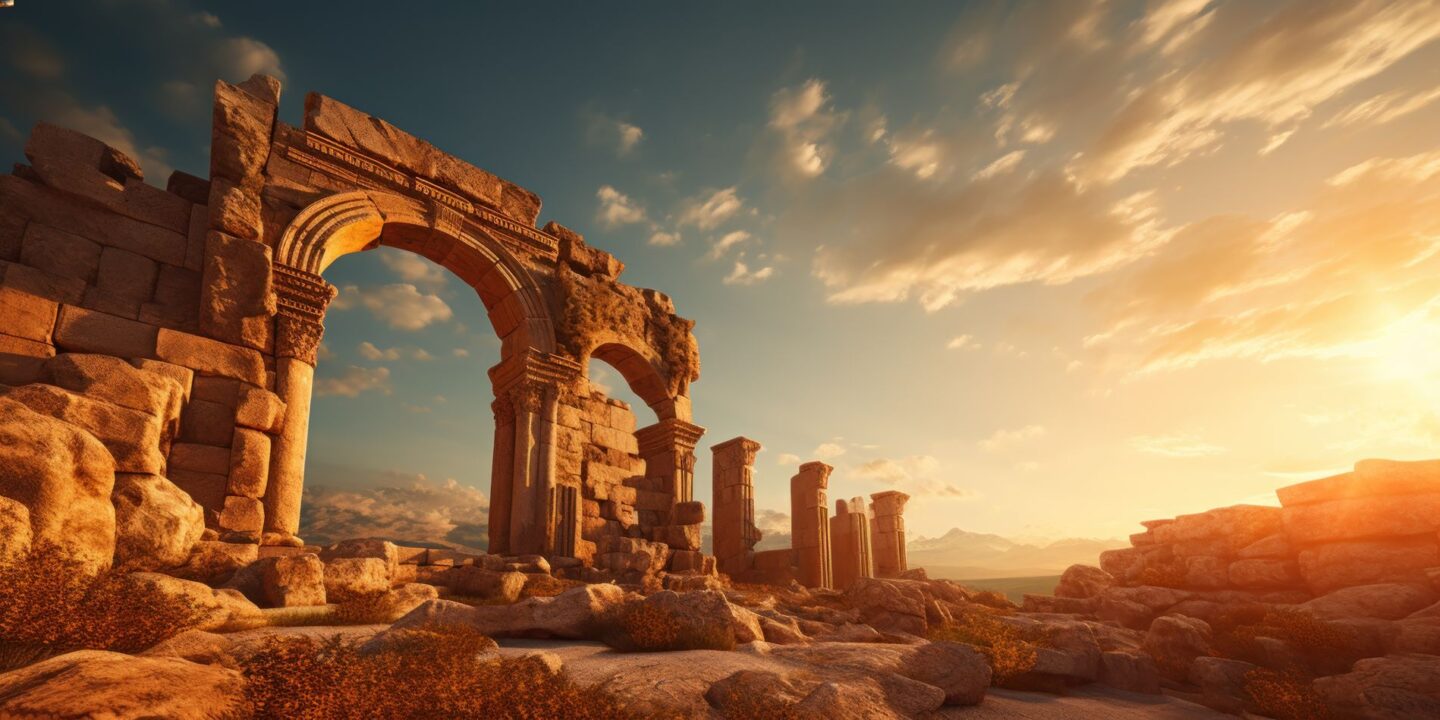

Unveiling the Secrets of Ancient Civilizations and World Heritage Sites
Have you ever wondered what it would be like to travel back in time and witness the grandeur of ancient civilizations? To walk the same streets as emperors, kings, and warriors? To marvel at the architectural wonders that have stood the test of time? If you’re a history enthusiast or simply curious about the past, then embarking on a journey through the historical cities of the world is the perfect adventure for you.
Time travel has always been a fascinating concept, capturing the imagination of people across generations. While we may not have the ability to physically travel through time, we can still experience the magic of the past by visiting historical cities. These cities serve as living testaments to the achievements and cultures of ancient civilizations, allowing us to gain a deeper understanding of our shared human history.
Exploring historical cities is not only a thrilling adventure but also an opportunity to engage in cultural heritage tourism. By visiting these sites, we contribute to their preservation and support the local communities that rely on tourism. So, let’s embark on a virtual journey through time and discover the wonders that await us in the historical cities of the world.
Exploring UNESCO World Heritage Cities
UNESCO World Heritage Cities are a treasure trove of historical and cultural significance. These cities have been recognized for their outstanding universal value and are protected to ensure their preservation for future generations. From the ancient capitals that shaped the course of history to the architectural wonders of historical landmarks, let’s delve into the rich history of these remarkable cities.
Ancient Capitals: Cradles of Civilization
Ancient capitals hold the key to understanding the rise and fall of civilizations. These cities were once centers of power, where empires were built and cultures flourished. From Rome, the eternal city, to Athens, the birthplace of democracy, these ancient capitals offer a glimpse into the past like no other.
In Rome, you can walk in the footsteps of emperors as you explore the Colosseum, the Roman Forum, and the Pantheon. These architectural marvels stand as a testament to the grandeur of the Roman Empire. In Athens, the Acropolis and the Parthenon stand as symbols of ancient Greek civilization, where philosophy, art, and democracy thrived.
Architectural Wonders: Timeless Beauty
Historical landmarks are not only a feast for the eyes but also a window into the past. These architectural wonders showcase the ingenuity and craftsmanship of ancient civilizations. From the Great Wall of China to the Pyramids of Giza, these iconic structures have stood the test of time and continue to awe visitors from around the world.
The Great Wall of China, stretching over 13,000 miles, is a testament to the engineering prowess of the ancient Chinese. It is a symbol of their determination to protect their civilization from invasions. The Pyramids of Giza, on the other hand, are a marvel of ancient Egyptian architecture. These monumental structures were built as tombs for pharaohs and continue to captivate visitors with their sheer size and precision.
Time Capsule Cities: Stepping into the Past
Some cities have managed to preserve their historical charm, transporting visitors back in time. These time capsule cities offer a unique opportunity to experience the daily life and traditions of ancient civilizations. From the medieval streets of Prague to the ancient ruins of Pompeii, these cities are like living museums, where history comes alive.
Prague, with its well-preserved medieval architecture, is a delight for history lovers. The Prague Castle, Charles Bridge, and the Old Town Square are just a few of the many attractions that transport you to a bygone era. Pompeii, on the other hand, offers a glimpse into life in ancient Rome. The ruins of this once-thriving city, preserved by the eruption of Mount Vesuvius, provide a fascinating insight into the daily lives of its inhabitants.
Immersing in the Richness of Medieval Towns
Medieval towns hold a special charm and mystique that captivates visitors. These towns are like stepping into a fairy tale, with their cobblestone streets, towering castles, and quaint market squares. Exploring these towns is like taking a journey through time, where you can immerse yourself in the rich history and culture of the Middle Ages.
Cultural Exploration: Unveiling Ancient Civilizations
Medieval towns offer a unique opportunity to experience the cultural heritage of ancient civilizations. From the medieval castles of Scotland to the fortified towns of France, these destinations allow you to delve into the traditions, art, and architecture of the past.
In Scotland, the Edinburgh Castle stands as a symbol of the country’s turbulent history. From its vantage point atop Castle Rock, you can enjoy panoramic views of the city and learn about the battles and sieges that shaped Scotland’s past. In France, the fortified town of Carcassonne is a UNESCO World Heritage site that transports visitors back to the Middle Ages. Its well-preserved walls, towers, and narrow streets make it a must-visit destination for history enthusiasts.
Unearthing Hidden Gems: Archaeological Sites
For those with a passion for archaeology, medieval towns offer a wealth of hidden gems waiting to be discovered. These towns are often built on top of ancient settlements, and excavations have revealed fascinating artifacts and structures that shed light on the past.
In York, England, the York Archaeological Trust has unearthed a wealth of Roman and Viking artifacts, providing insights into the city’s rich history. The Jorvik Viking Centre offers a unique interactive experience, allowing visitors to step into the shoes of a Viking and explore the reconstructed streets of 10th-century York. In Italy, the town of Ostia Antica, located just outside of Rome, is an archaeological site that offers a glimpse into daily life in ancient Rome. The well-preserved ruins of this once-thriving port city provide a fascinating insight into Roman civilization.
Crafting Your Historical Travel Itinerary
Now that we’ve explored the wonders of historical cities, it’s time to craft your own historical travel itinerary. Whether you’re a seasoned traveler or a first-time explorer, planning your trip can be an exciting and rewarding experience. Here are some tips to help you make the most of your historical pilgrimage:
Curating a Comprehensive Guide
Start by curating a comprehensive guide that includes all the historical cities and sites you wish to visit. Research each destination to learn about its historical significance, must-visit attractions, and local customs. This will help you prioritize your itinerary and ensure that you don’t miss out on any hidden gems.
Must-Visit Destinations
When planning your historical travel itinerary, be sure to include must-visit destinations that are known for their historical significance. These destinations are often UNESCO World Heritage sites or home to iconic landmarks that are synonymous with the city’s history.
For example, if you’re planning a trip to Italy, be sure to include Rome, Florence, and Venice on your list. Rome is home to the Colosseum, the Roman Forum, and the Vatican City, while Florence is known for its Renaissance art and architecture, including the iconic Duomo and the Uffizi Gallery. Venice, with its canals and historic palaces, offers a unique glimpse into the history of the Venetian Republic.
Tips for a Seamless Historical Pilgrimage
To ensure a seamless historical pilgrimage, here are some tips to keep in mind:
- Research visa requirements and travel restrictions for each destination.
- Check the weather and pack accordingly, taking into account the climate and season.
- Learn a few basic phrases in the local language to enhance your cultural experience.
- Dress appropriately when visiting religious sites or conservative countries.
- Plan your visits to popular attractions during off-peak hours to avoid crowds.
- Consider hiring a local guide to gain deeper insights into the history and culture of each destination.
- Respect local customs and traditions, and be mindful of the impact of tourism on the local community.
By following these tips, you can ensure a smooth and enriching historical travel experience.
Embarking on a journey through the historical cities of the world is like stepping into a time machine. It allows us to witness the grandeur of ancient civilizations, unravel the secrets of the past, and gain a deeper understanding of our shared human history. From the ancient capitals that shaped the course of history to the medieval towns that transport us to a bygone era, these cities are a testament to the ingenuity and creativity of our ancestors.
As we explore these historical cities, it is important to remember the significance of preserving our cultural heritage. By supporting cultural heritage tourism, we contribute to the preservation of these sites for future generations. So, whether you’re a history enthusiast or simply curious about the past, I encourage you to embark on your own historical adventure and embrace the timeless beauty of the legendary cities of history.