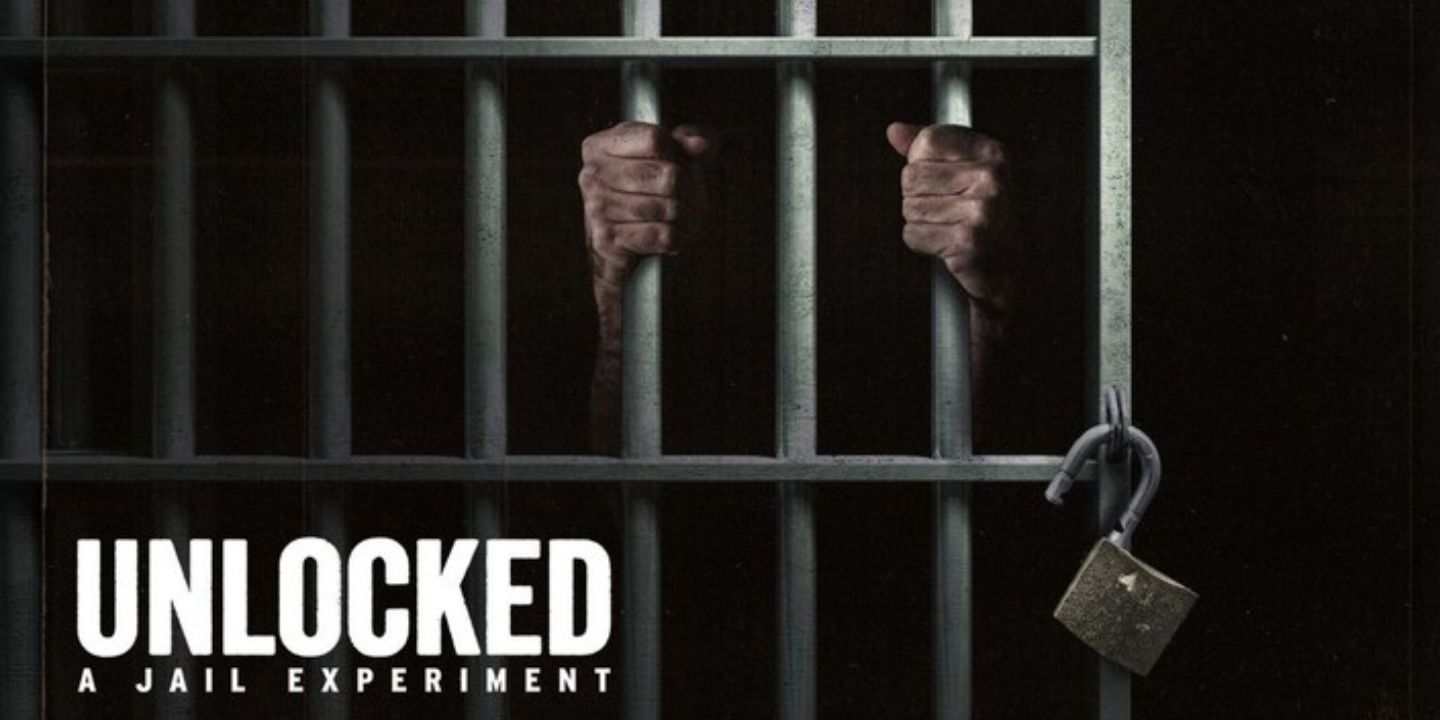

Netflix’s latest docuseries, “Unlocked: A Jail Experiment,” has quickly climbed to the top of the streaming platform’s charts, captivating audiences with its provocative premise. However, the show’s exploration of radical changes in inmate treatment has sparked a heated debate over ethics and safety among viewers.
Led by Arkansas sheriff Eric Higgins, the experiment took place at Little Rock’s Pulaski County Regional Detention Facility, aiming to emulate systems seen in countries like Norway, where prisoners are treated with dignity and humanity, resulting in lower reoffending rates.
The experiment involved more than 45 prisoners transitioning from spending 23 hours a day in lockdown to living in a unit with unlocked cells and reduced deputy supervision. Over a six-week period, the inmates lived in this new environment while being filmed by a production crew.
While the experiment yielded some positive outcomes, such as improved inmate cooperation, it also revealed significant challenges. In the final episodes, violence erupted after a prisoner was caught cheating at cards, highlighting the risks associated with such revolutionary strategies.
Critics argue that experiments like this require extensive planning and resources to ensure the safety and well-being of participants. Questions have been raised about the ethics of exposing prisoners to potential harm without adequate safeguards in place.
Some viewers have expressed concern about the role of the production crew, questioning whether they should intervene in situations where inmates are at risk of physical or mental harm. Others have pointed out structural limitations within the jail itself, suggesting that true reform requires more than just unlocking doors.
Despite the controversy, it’s important to note that all participants underwent a rigorous screening process before taking part in the series, and they were free to leave at any time during the experiment.
Supporters of the experiment commend Sheriff Higgins for his efforts to effect change within the constraints of the existing system. They argue that the focus should be on rehabilitation rather than punishment, recognizing that many inmates come from broken systems and circumstances.
In the end, “Unlocked: A Jail Experiment” serves as a thought-provoking exploration of innovative approaches to incarceration. As Sheriff Higgins reflects in the final episode, there are valuable lessons to be learned from the experience, paving the way for continued improvements in inmate treatment and facility safety.
The series is currently available for streaming on Netflix, inviting viewers to engage in important conversations about the future of the criminal justice system.